

You may have heard from a friend or local mechanic that ebike brakes are proprietary and completely different from standard brakes. This is a common misconception and the brakes we use on Ride1Up bikes are much simpler and easier to work on than you might think. We hope that this article will help to demystify electric bike brakes and help to ensure you know how to best maintain and even replace the brakes if needed.
How are Ebike brakes different from regular brakes?
Most of our bike models sport hydraulic disc brakes that have sensors in the levers. These sensors cut power to the motor whenever the levers are pulled as a safety measure that ensures you are always able to slow the bike down. These sensors are the only thing that makes the brakes we use on our bikes “ebike specific” and the rest of the system are completely standard industry hydraulic brakes.
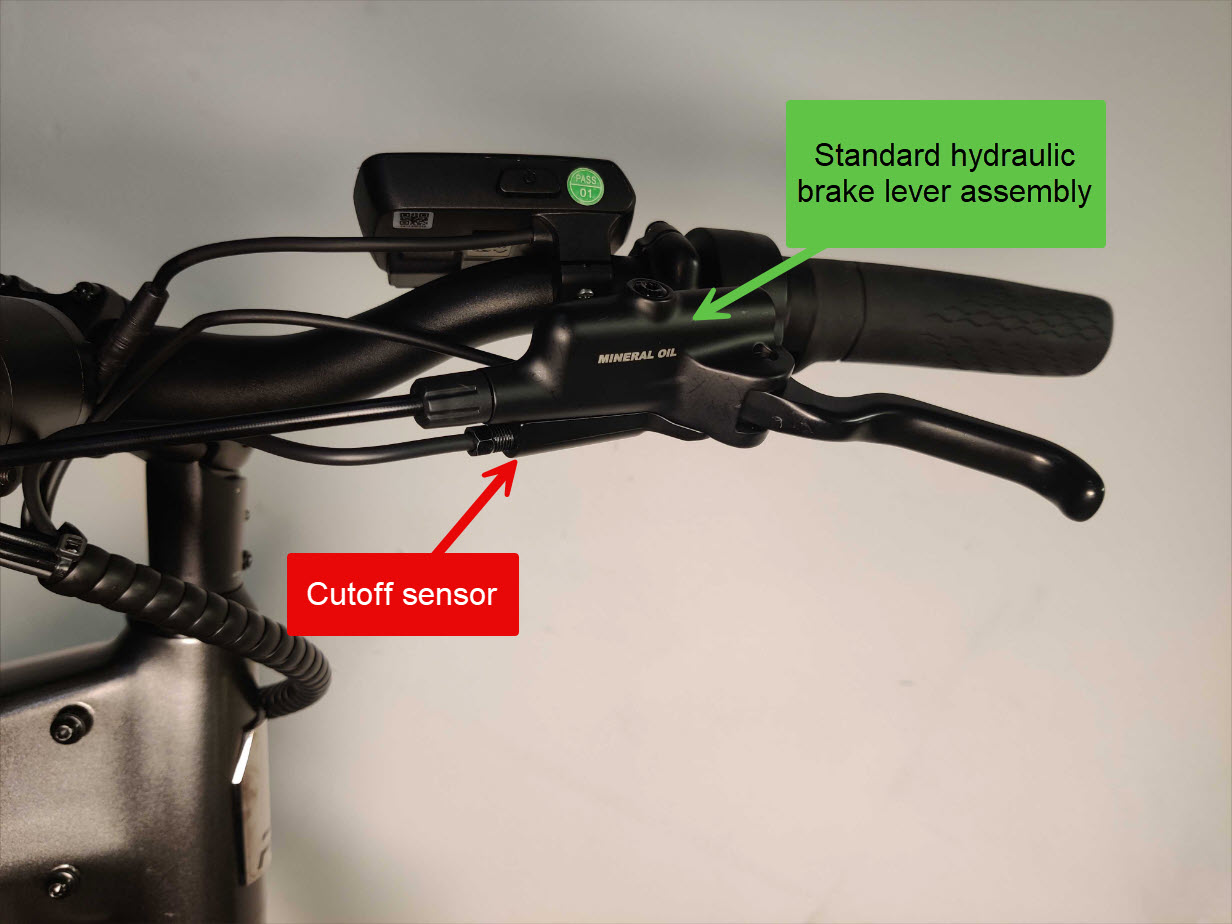
This means that the majority of the brake parts are completely standard and require no additional steps or considerations to work on. The calipers, pads, hydraulic hosing, and lever blades are all the same as standard bicycle hydraulic brakes, which is great because this means there are endless resources for maintenance and repairs online that will be very relevant to the hydraulic disc brakes on your Ride1Up bike.
Note: Our torque sensor only equipped bikes such as the TrailRush and Roadster V3 do not use brake sensors. You can verify if your specific model has brake sensors by looking at how many wires/hoses are coming out the back of the lever. If your bike has 2 on each lever, as shown in the above photo, it will use brake sensors.
Ebike brake maintenance
All bicycle brakes need regular maintenance to keep them running smoothly. Most of these maintenance procedures will be standard across all bicycle hydraulic disc brakes. There are many resources online on hydraulic brake maintenance but here are a few resources from us to get you started.
- Replacing Disc Brake Pads and Rotor
- Hydraulic Brake Bleeds: How to Fix Squishy or Spongy Brakes
- Brake Caliper Adjustment
The only consideration with ebike brake maintenance is that the sensors may have to be adjusted periodically to account for things like brake pad wear, brake bleeds, or vibrations. This does not have to be done often and is not too hard of a process to go through. Brake sensor testing and adjustment procedure can be found here:
Brake sensor wiring and connectors
Everything does wear out with use and eventually you may need to replace the brakes on your bike. We of course carry the stock brakes that came on your bike but maybe you want to upgrade to better brakes. We would always recommend keeping the parts stock on your bike but you do have some options if you are looking for an upgrade.
You theoretically could install brakes without sensors onto your bike and leave the sensor connections disconnected, but this would remove a safety feature from your bike and there are ways to ensure you can use third party brakes that still have the safety features your bike came with. When looking for alternative brake options there are only a few considerations to take into account.
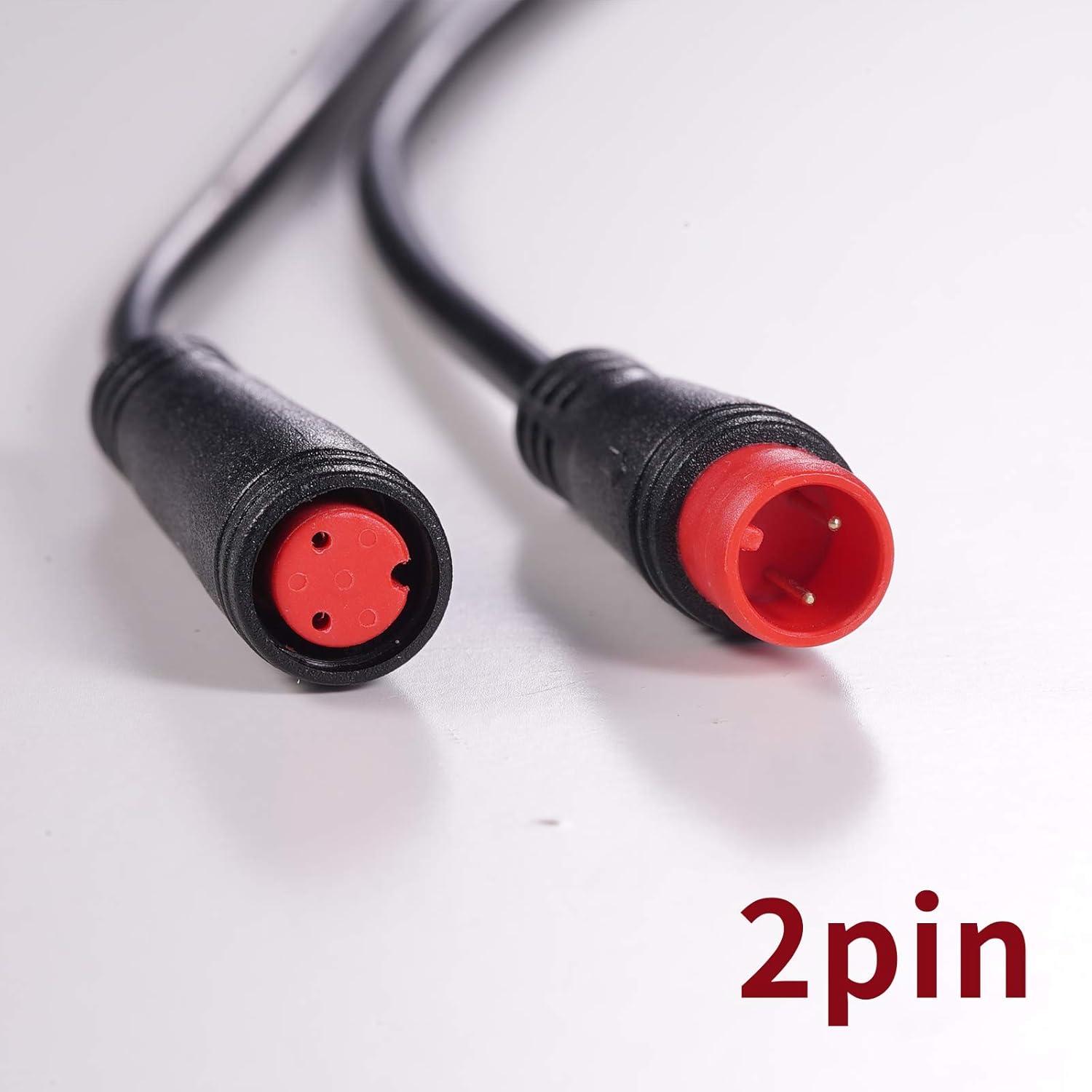
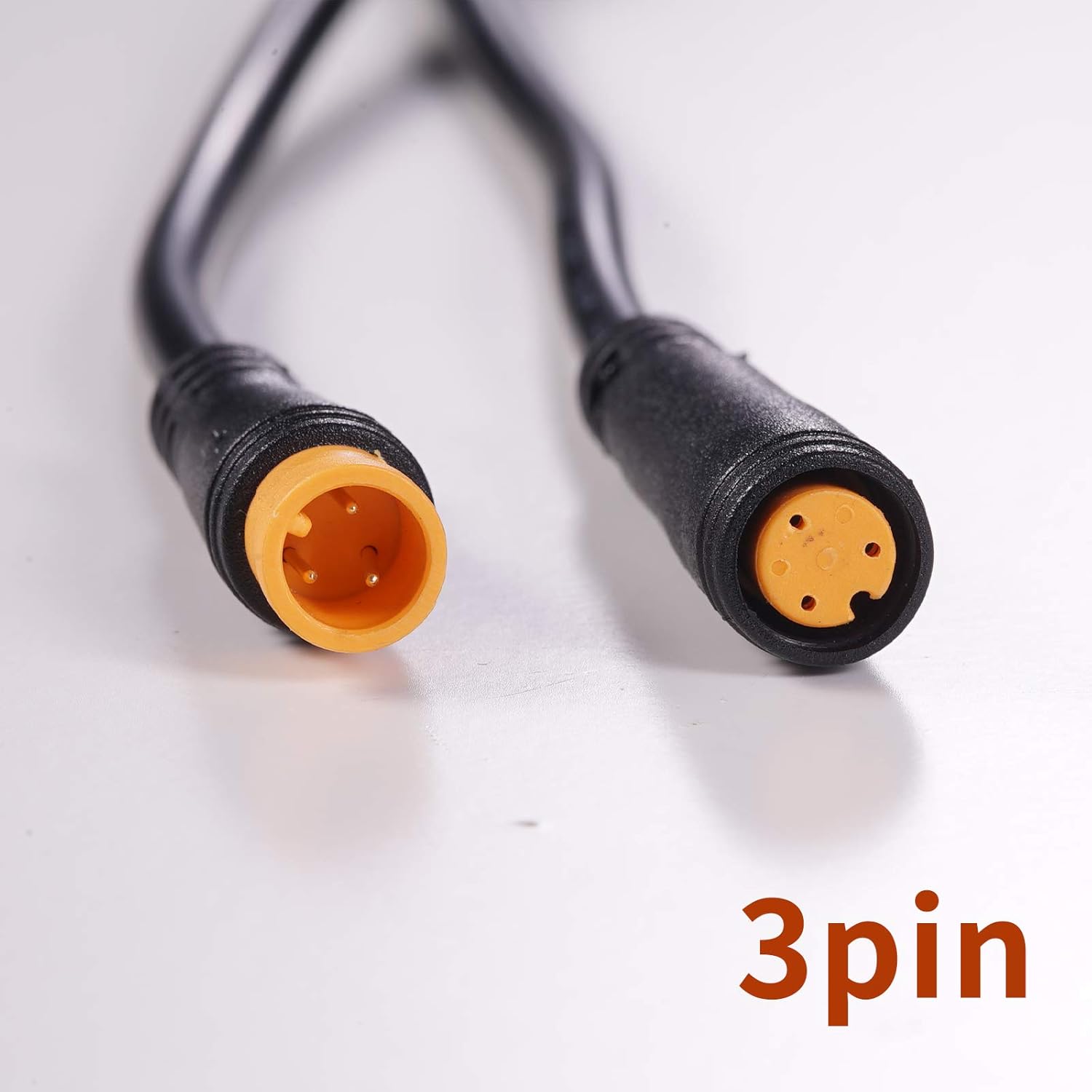
- Brake sensor electrical connectors. Our bike models use brake sensors with fairly standard connectors on them made by either HIGO or Julet. The majority of our models use the two pin versions that are red on the inside and a few use the three pin versions that are yellow or orange on the inside. Both of these versions can be seen in the photos below. We have of course not tested every brake option on the market but the majority of brakes that use this connector type will work with our bikes.
- Brake sensor wire length. The only other consideration to take into account is the length of the sensor wires. Using a brake with a sensor wire that is too long will not be an issue since the extra length of wire can be tied up near the handlebars or even pushed into the frame, but a brake with a sensor wire that is shorter than stock may need further consideration. Luckily, it is very easy to find extension wires with HIGO or Julet connectors of various sizes from places like Amazon. Here are some examples that may work for you: HIGO extension wires
In the end, ebike brakes are just standard hydraulic disc brakes with sensors tacked onto them meaning that most standard maintenance procedures are applicable. These sensors are very reliable and require very little maintenance steps or repair. We hope that this article has helped to explain what a “ebike specific” brake is and helped point you in the right direction to find resources on repair or replacement.
Feel free to reach out to our knowledgeable customer support team if you have any questions.


